Choosing the Right AI Companion for Different Age Groups
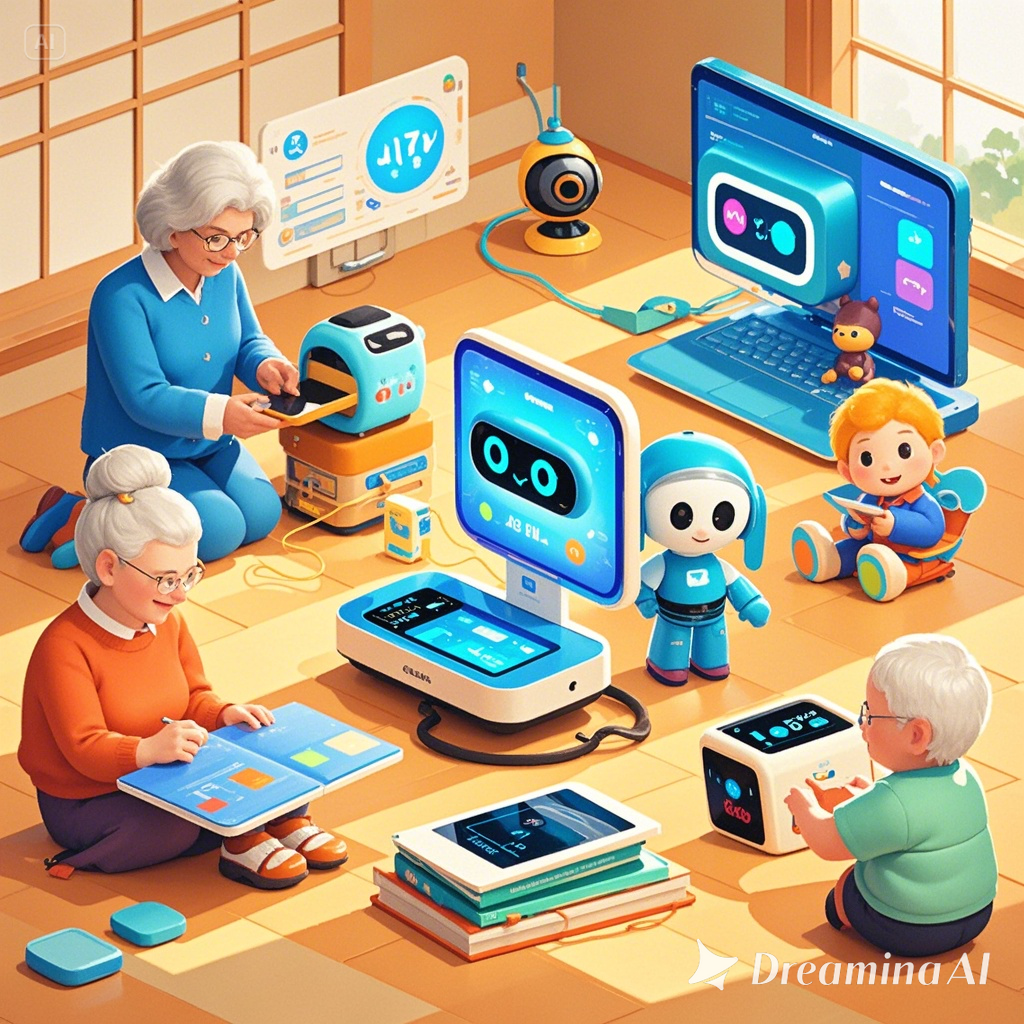
AI companions are becoming popular with people of all ages, from kids to seniors. These virtual helpers offer support, friendship, and fun. They can do a lot of different things, but how useful they are depends on how well they meet the needs and interests of each age group.
For kids, AI buddies can make learning and creativity fun. Teens might enjoy AI friends that help with school and social stuff. Adults could use AI to get things done faster. Seniors might like AI for companionship and health tracking.
Recognizing the distinct needs of each demographic is essential for making the right choice in an AI companion. This guide will explore how to choose AI companions that resonate with the specific needs of different age groups. It aims to ensure that each individual can benefit from AI in a way that’s safe, supportive, and personalized.
Benefits of AI Companions for Different Age Groups
AI companions help people of all ages. They improve emotions, learning, and daily tasks. For kids, they act as fun learning helpers. They ask questions, play games, and give feedback. AI companions also provide friendship, helping kids practice social skills and creativity. Kids have a safe friend to talk to and play with.
For busy adults, AI companions bring immense convenience. They help manage schedules, send reminders, and keep users organized. This assistance reduces stress, allowing adults to focus on personal or professional goals. AI companions also provide emotional support. They engage in meaningful conversations, helping adults feel understood and less isolated.
AI companions are really helpful for older adults. They reduce loneliness and give a sense of connection. They remind seniors to exercise, take medicine, and do activities like puzzles to keep their minds active.
AI companions fit each person’s needs, making every chat special. They offer friendly support that’s right for your age, helping with feelings, thoughts, and social life. In short, AI companions provide care, connection, and ease, just for you.
AI Companions for Children
AI companions help children learn and play. They can tell stories, teach languages, and play games. They also encourage creativity and problem-solving.
Additionally, they help children practice communication skills in a safe environment. It provides a non-judgmental space for them to express themselves. AI tools can also incorporate parental controls. Parents can set limits on content and screen time. It ensures that their children are exposed only to appropriate material.
Before giving AI companions to kids, we need to think about a few important things. First, safety is key. AI must protect kids' personal information. Also, the conversations should be suitable for the child's age and understanding. It helps avoid confusion and stops kids from expecting too much from AI.
It's crucial to emphasize the distinction between AI and real-life friends. Children should understand that AI companions are tools. They are designed for support and entertainment. They are not substitutes for human interaction.
Some good AI companions for kids are apps like Khan Academy Kids and CogniToys. These apps have content for different ages and have strong parental controls. They focus on learning and are safe for kids. They help children learn and grow while keeping parents worry-free.
AI Companions for Teenagers
AI companions get more popular with teens. They can help with mental health, social skills, and schoolwork. Teens who feel stressed, anxious, or lonely can talk to AI chatbots like Replika. These chatbots offer a safe place to talk without being judged. Teens can share their feelings and get help during hard times.
AI companions can also enhance social skills. They simulate real-life interactions, which helps shy or socially anxious teens build confidence. On the academic side, AI tools offer personalized learning support. They provide explanations, quizzes, and study resources that match a teen’s pace and needs.
AI companions have some challenges. Privacy is a big concern because they collect personal data. It's important to keep this data safe. Another issue is that teens might get too attached to AI. It can make it hard for them to connect with people in real life. Finding a balance between AI and real-world relationships is important for mental health.
Examples of suitable AI companions include Replika and LoveCore AI. Replika offers personalized conversations. LoveCore AI provides emotional support in an authentic way. These platforms aim to complement, not replace, human connections. They offer guidance and comfort in the digital age.
AI Companions for Adults
AI companions help adults by making life easier. They can assist with tasks, advise on relationships, offer self-care tips, and reduce stress. These smart-systems help organize schedules, set reminders, and give suggestions for self-improvement.
AI companions help reduce stress. They can guide you in relaxing exercises, give motivation, and offer relationship advice based on your needs. They help with social and emotional challenges.
However, there are challenges when integrating AI companions into daily life. Data privacy is a major concern. AI systems often require access to sensitive information. It could be misused if not safeguarded properly. Ethical considerations are also important. There’s the potential for AI to manipulate emotions or provide biased advice. Moreover, users might become overly dependent on AI companions. It could lead to substituting them for human interaction or genuine self-care practices.
Moemate is an AI that helps adults stay on track and manage time. It learns your habits to give personalized advice. While it can boost productivity, it’s important not to rely on it too much.
AI Companions for Seniors
AI companions help seniors in many ways. They provide company, remind them about medication and appointments, and keep them mentally active. It helps reduce loneliness and keeps them independent. AI companions also offer fun activities and conversations to keep their minds sharp.
These technologies have some challenges. One is that they can be hard to use, especially for seniors who might struggle with complicated buttons or voice commands. Another issue is that AI can’t replace real human connections. It can act like a companion, but it doesn’t have the same feelings or understanding as a person. There are also privacy worries because AI needs personal data to work well, and it's unclear how safe that information is.
Some AI companions are made for seniors, like LoveCore. They are simple to use and focus on being a friend, not on doing complicated tasks. These devices can help seniors feel more comfortable and supported in their daily lives. They can improve quality of life by offering companionship and mental support.
Key Features to Look For Based on Age Group
When selecting an AI companion, key features to consider vary based on age group. It ensures the device suits the user's needs and preferences.
Customizability is essential for both young and older users. For children and teens, AI companions should offer adaptable personalities. The interactive elements should evolve as the user grows. Adults and seniors may prefer customization. It could include setting routines, speech style, or responses. Customization would help align the AI with their preferences.
Privacy matters to everyone. For kids, there are rules like COPPA to keep their data safe. Adults want to know how their data is used and control what they share.
The user interface should be simple and intuitive. Younger users benefit from colorful, interactive interfaces. Seniors often prefer larger text, voice commands, and minimal distractions.
Conversation quality matters. Young people like fun and engaging chats. Adults prefer smart, natural conversations for tasks and entertainment. Older adults want clear and kind communication.
Integration with other devices makes the AI companion more helpful. Families can connect it to smart home devices and phones for convenience. Seniors might like it linked to health tools, like medication reminders or appointment alerts to improve their daily life.
FAQs
1. Can children form attachments to AI companions?
Yes, children can form attachments to AI companions. These virtual characters can provide emotional support, conversation, and companionship. It can lead to bond-like connections. However, these attachments may differ from human relationships. AI lacks true empathy and understanding. As a result, the attachment is more one-sided. It is influenced by the child's perception.
2. What are the main privacy concerns with AI companions?
The main privacy concern with AI companions is that they could collect personal data, like your conversations and habits. If this data isn't kept safe, it could be accessed by others or used in ways that invade your privacy.
3. Are there AI companions specifically designed for senior citizens?
Yes, there are AI companions for seniors. They help with tasks, remind them of important things, and offer company. Some also monitor health and provide exercises for the brain. Examples include ElliQ, Jibo, and voice assistants like Alexa and Google Assistant.
4. What ethical considerations should I keep in mind when choosing an AI companion?
When picking an AI companion, think about privacy and security. Make sure it respects boundaries, is fair, and treats you kindly. Be aware of how it affects your feelings and relationships. Also, know what it can and can't do to avoid false hopes or becoming too dependent.
5. How should AI companions be tailored for children?
AI companions for kids should be safe and educational. They should be fun and interactive while protecting privacy. The content needs to be appropriate for their age. There should be clear rules to make sure the AI helps kids learn and grow without exposing them to harmful material.
Conclusion
In conclusion, choosing the right AI companion for different ages needs careful thought. We should balance technology with human interaction. For younger kids, AI should help with learning, creativity, and emotional growth.
These tools shouldn't replace real human connections. As kids grow, AI can help them learn and grow. It can also help with social challenges. AI should support real relationships and emotional growth, not replace them.
AI companions can help adults and seniors by offering company, mental exercises, and help with tasks. It makes life better without causing isolation. The important thing is to pick an AI that works well with human relationships. It should help people grow and enjoy life more, but it’s important to remember it’s just a tool, not a substitute for real connections. When chosen wisely, AI can be a positive help for everyone.